Introduction
In the world of medical care, couple of occupations need as one-of-a-kind a mix of skills and expertise as that of an injury care specialist. As the need for specialized treatment grows, so does the relevance of sophisticated training and competence in handling complicated and chronic wounds. This post dives deep into the Essential Abilities Every Wound Care Specialist Need to Master, giving an informative overview that includes both fundamental expertise and progressed techniques essential to excel in this crucial field.
Why is Wound Treatment Important?
Wound care is not just about recovery injuries; it's about boosting patients' lifestyle. Correct management can prevent infections, lower a hospital stay rates, and substantially enhance recovery times. Offered the enhancing frequency of chronic conditions such management of chronic wounds as diabetic issues, reliable wound care has actually emerged as an essential part of modern healthcare.
Understanding the Duty of Wound Treatment Specialists
What Does a Wound Treatment Specialist Do?
A wound care specialist concentrates on evaluating, identifying, and dealing with different sorts of injuries. Their role prolongs past easy injury dressing; they employ evidence-based techniques to manage both acute and chronic wounds efficiently. This includes establishing extensive therapy plans tailored to private patient needs.
Importance of Wound Care Specialist Training
To end up being skillful in this specialized, professionals often go through considerable wound care training for nurses or seek committed wound treatment training courses These programs cover essential subjects like anatomy, physiology, infection control, and progressed treatment modalities.
Essential Skills Every Injury Care Specialist Must Master
1. Comprehensive Expertise of Makeup and Physiology
Understanding human composition is basic for any doctor. For injury treatment experts, it's important to realize exactly how different body systems engage during the recovery process.
- Skin Structure: Knowledge with skin layers (epidermis, dermis) helps evaluate injury depth. Healing Phases: Recognizing inflammation, proliferation, and maturation phases overviews treatment decisions.
2. Expertise in Chronic Injury Treatment Management
Chronic wounds present unique challenges that require customized understanding:
- Types of Chronic Wounds: Diabetic abscess, venous ulcers, pressure injuries-- each calls for different approaches. Assessment Techniques: Recognizing just how to gauge wound size and analyze exudate levels is vital.
3. Advanced Treatment Modalities
Wound treatment isn't one-size-fits-all; experts have to master numerous treatment alternatives:
- Debridement Techniques: Comprehending sharp debridement vs. enzymatic debridement can affect healing outcomes. Dressings: Familiarity with hydrocolloid dressings versus alginate dressings aids in choosing ideal products.
4. Patient Assessment Skills
Accurate assessment is essential to successful treatment:
- Visual Assessment: Being able to recognize indications of infection or necrosis quickly. Patient History: Collecting comprehensive medical history aids tailor wound administration strategies.
5. Infection Control Practices
Infection avoidance is vital in injury monitoring:
- Sterile Techniques: Utilizing proper hand hygiene and sterile clothing modifications reduce infection risks. Recognizing Infection Symptoms: Recognizing when a wound has actually become infected ensures prompt interventions.
Wound Care Educating for Nurses
Importance of Specialized Education
Nurses play a crucial duty in person treatment teams. Specialized education and learning through programs like basic wound care training furnishes them with sensible skills needed for effective patient management.
Curriculum Overview
Typical courses may include:
- Basic principles of wound healing Different types of dressings Infection control protocols Pain management strategies
Wound Treatment Nurse Training Programs
Certification Options Available
Several qualifications are acknowledged within the field:
|Qualification Name|Company|Period|| -------------------------------------|---------------------------|---------------------|| Certified Wound Treatment Nurse (CWCN)|WOCN Culture|Varies|| Certified Wound Expert (CWS)|American Academy of Injury Administration|Differs|
These qualifications confirm knowledge and enhance expert credibility.
Complex Wound Care Management Skills
Defining Complicated Wounds
Complex wounds frequently include numerous variables such as comorbidities or substantial cells loss needing advanced interventions.
Advanced Methods for Management
Negative Stress Injury Treatment (NPWT):- Accelerates recovery by using suction to the wound site.
- Utilize human tissues or engineered skin alternative to optimum healing environments.
Legal Elements in Wound Care Management
Understanding Scope of Practice
Wound treatment specialists must stay educated about lawful guidelines governing their methods:
- Documentation: Exact document maintaining secures versus liability. Informed Consent: Constantly make sure individuals understand treatments prior to proceeding.
FAQs Regarding Crucial Skills Every Injury Treatment Professional Must Master
What credentials do I require to become a wound care specialist?
Most placements call for at least a RN certificate combined with specialized training in wound care management with identified courses or certifications.
How long does it require to complete wound care training courses?
Course durations vary extensively; some might be finished in a few weeks while others could take numerous months depending on the deepness of material covered.
What are some common types of dressings made use of in wound management?

Common dressings consist of hydrocolloid dressings, foam dressings, alginate dressings, and clear films-- each offering specific purposes based upon the kind and condition of the wound.
Can I concentrate on wound treatment while still working full-time?
Yes! Several curricula offer online or part-time choices appropriate for functioning professionals seeking improvement in their careers without compromising their present roles.
What function does nourishment play in chronic injury management?
Nutrition significantly impacts healing; adequate healthy protein consumption sustains cells repair while hydration promotes circulation-- vital aspects for reliable chronic wound management!
Are there particular tools I ought to recognize with as an injury care specialist?
Yes! Secret devices include determining gadgets for examining injuries (like electronic planimeters), debridement instruments (scissors or scalpels), and various sorts of clothing products fit to various wounds.
Conclusion
Embarking on a profession as a wound care professional uses numerous opportunities to make an extensive impact on patients' lives by advertising faster healing times with innovative remedies tailored to individual requirements. By understanding these essential abilities laid out above-- from detailed evaluations and advanced therapy methods to comprehending lawful effects-- professionals can place themselves as relied on authorities within this crucial medical care niche.
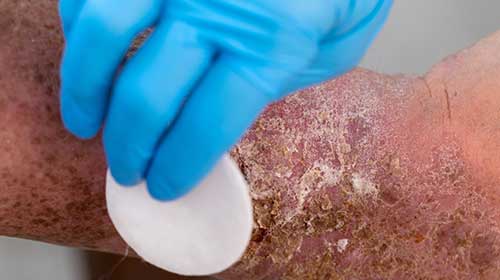
The journey toward becoming a professional in this field requires dedication via continuous education and learning like specialized registered nurse training programs focused specifically on complex chronic conditions alongside constant practice improvement campaigns focused on improving total client results in time! So if you're taking into consideration taking your clinical career up a notch by accepting one-of-the-most gratifying specialties today ... dive right into those necessary skills every new & & skilled professional must master!